Stainless steel is highly valued for its durability, versatility, and attractive appearance, making it the material of choice for both residential and commercial applications. However, many Australians are often surprised to discover that stainless steel is not entirely immune to surface discolouration, specifically a phenomenon known as “tea staining.” While tea staining doesn’t compromise the structural integrity of stainless steel, it can affect the aesthetic appeal of the material, particularly in coastal environments where saltwater exposure is common. Let’s dive into what tea staining is, why it happens, and how you can prevent it to keep your stainless steel looking its best.
What is Tea Staining?
Tea staining refers to the brown discolouration that sometimes appears on stainless steel surfaces exposed to environmental conditions, particularly near coastal areas. Despite its name, tea staining has nothing to do with tea; instead, it describes a superficial rust-like stain that can form on stainless steel. This discolouration is often patchy and uneven, affecting the overall polished look of the material.
Tea staining generally occurs on stainless steel grades that are highly exposed to the elements, where salt, humidity, and other environmental factors accelerate corrosion on the surface. It is important to note that tea staining only affects the surface layer of the steel; it does not penetrate the material, nor does it affect the steel’s structural integrity. Nevertheless, as an eyesore, tea staining can be particularly bothersome in architectural and decorative applications.
Why Does Tea Staining Occur?
Tea staining is primarily caused by the breakdown of chromium oxide on the surface of stainless steel. Stainless steel is composed of chromium, which forms a protective oxide layer when exposed to oxygen. This layer is what gives stainless steel its resistance to rust and corrosion. When environmental conditions, like salt exposure and high humidity, break down this oxide layer, the steel beneath becomes susceptible to surface discolouration.
The following factors play a significant role in causing tea staining:
- Chlorides and Salt Air: Chlorides, especially in the form of salt spray from the ocean, are one of the most common culprits behind tea staining. In areas close to the coastline, stainless steel surfaces are more vulnerable to this type of corrosion due to continuous exposure to salt-laden air.
- High Humidity: In regions with high humidity, condensation on the surface of stainless steel can retain salt and other contaminants. This moisture, combined with salt, creates the perfect environment for the breakdown of the protective oxide layer.
- Improper Grade of Stainless Steel: Not all stainless steel grades are created equal when it comes to resisting tea staining. Lower grades, such as 304 stainless steel, are more likely to experience tea staining when exposed to coastal environments, while marine-grade 316 stainless steel has higher corrosion resistance due to its additional molybdenum content.
- Lack of Maintenance: Stainless steel is often marketed as “maintenance-free,” but this is somewhat misleading. Over time, airborne contaminants, including dust, pollen, and pollution, can accumulate on the surface, leading to tea staining if the material isn’t regularly cleaned and maintained.
- Surface Finish: The finish of the stainless steel also affects its susceptibility to tea staining. Rough or brushed finishes, as opposed to highly polished surfaces, have tiny grooves where contaminants can accumulate, making them more prone to tea staining over time.
Prevention of Tea Staining
While tea staining can be frustrating, it is also preventable. Here are some proven methods to help keep your stainless steel looking fresh and stain-free.
- Choosing the Right Grade: The most effective preventive measure is to select the appropriate grade of stainless steel for the application. For outdoor or coastal installations, 316 stainless steel is recommended due to its superior corrosion resistance. This grade contains molybdenum, which enhances the metal’s ability to withstand salty environments without discolouring.
- Opt for a Smooth Finish: The smoother the finish, the better the resistance to tea staining. Polished or mirror finishes on stainless steel provide fewer areas for contaminants to latch onto, making the surface easier to clean and less prone to discolouration. Avoid using rough or matte finishes for applications near the coast, as these are more prone to accumulating particles that can lead to staining.
- Regular Cleaning: Regular cleaning of stainless steel is crucial in preventing tea staining, especially in areas close to the ocean. Using warm water, mild soap, and a soft cloth, wipe down the stainless steel surface every few weeks to remove contaminants. It’s essential to avoid harsh abrasives or acidic cleaners, as these can damage the protective oxide layer. In coastal regions, frequent rinsing with fresh water can help remove salt and chlorides from the surface, further reducing the risk of tea staining.
- Protective Coatings: Applying a protective coating to stainless steel can provide an extra layer of defence against tea staining. There are various products available, such as waxes and polymer-based coatings, designed to shield stainless steel surfaces from environmental exposure. These coatings act as a barrier between the steel and contaminants, extending the life of the finish and reducing the frequency of cleaning.
- Electropolishing: This advanced technique is used to enhance the corrosion resistance of stainless steel. Electropolishing smooths the surface by removing microscopic peaks and valleys, reducing the areas where contaminants can cling. Often used in industrial applications, electropolishing is a great solution if you’re dealing with severe environmental exposure and require maximum corrosion resistance.
- Installation Techniques: Design and installation techniques can also impact the likelihood of tea staining. For instance, angled surfaces allow water to drain away more easily, preventing pooling and reducing the build-up of contaminants. Avoid areas where water can stagnate or where splashes from saltwater are frequent. For outdoor use, positioning stainless steel structures away from direct salt spray, if possible, can also reduce the likelihood of tea staining.
Solutions for Removing Tea Staining
If your stainless steel surfaces have already developed tea stains, there are effective solutions to restore their appearance.
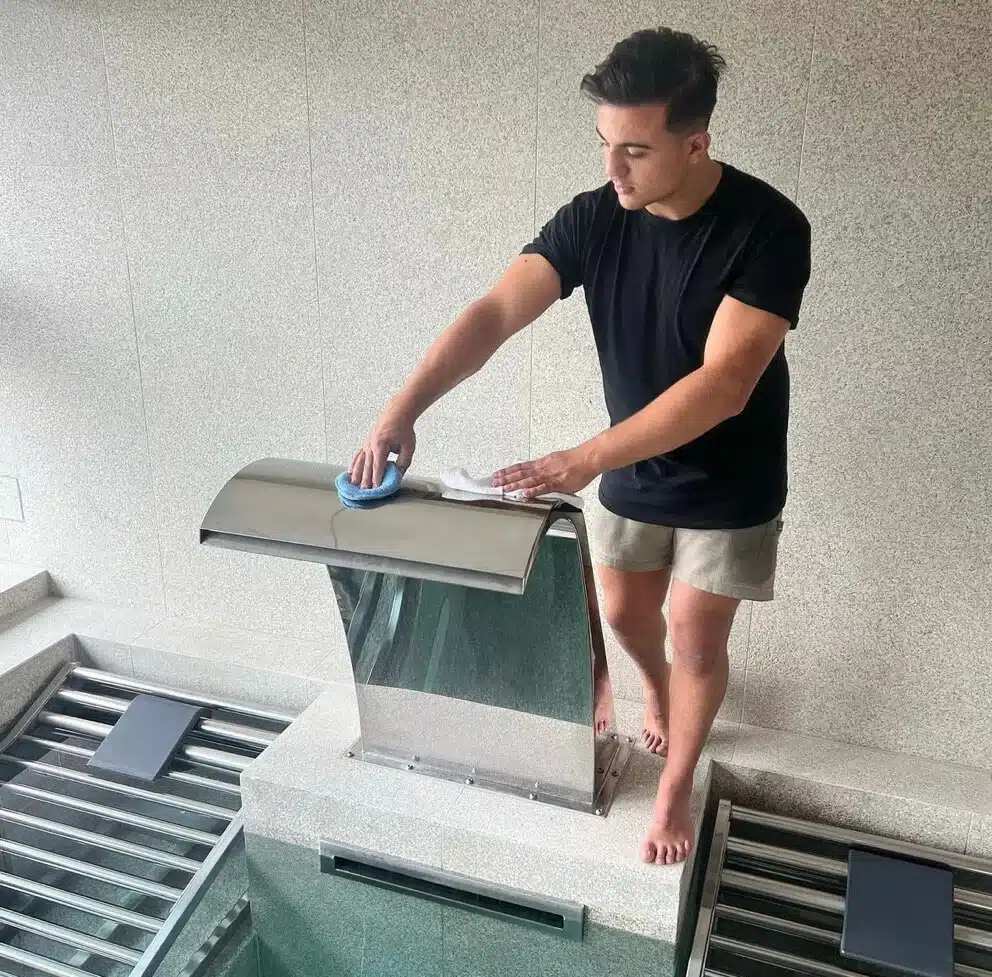
- Mild Cleaning Solutions: For light tea staining, start with warm water and mild detergent. Use a soft cloth or non-abrasive sponge to gently scrub the surface. Rinse thoroughly with fresh water and dry the surface with a clean cloth to prevent water spots.
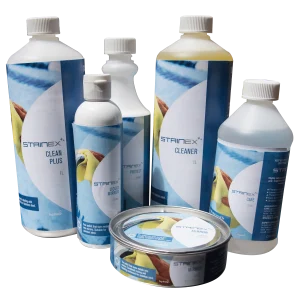
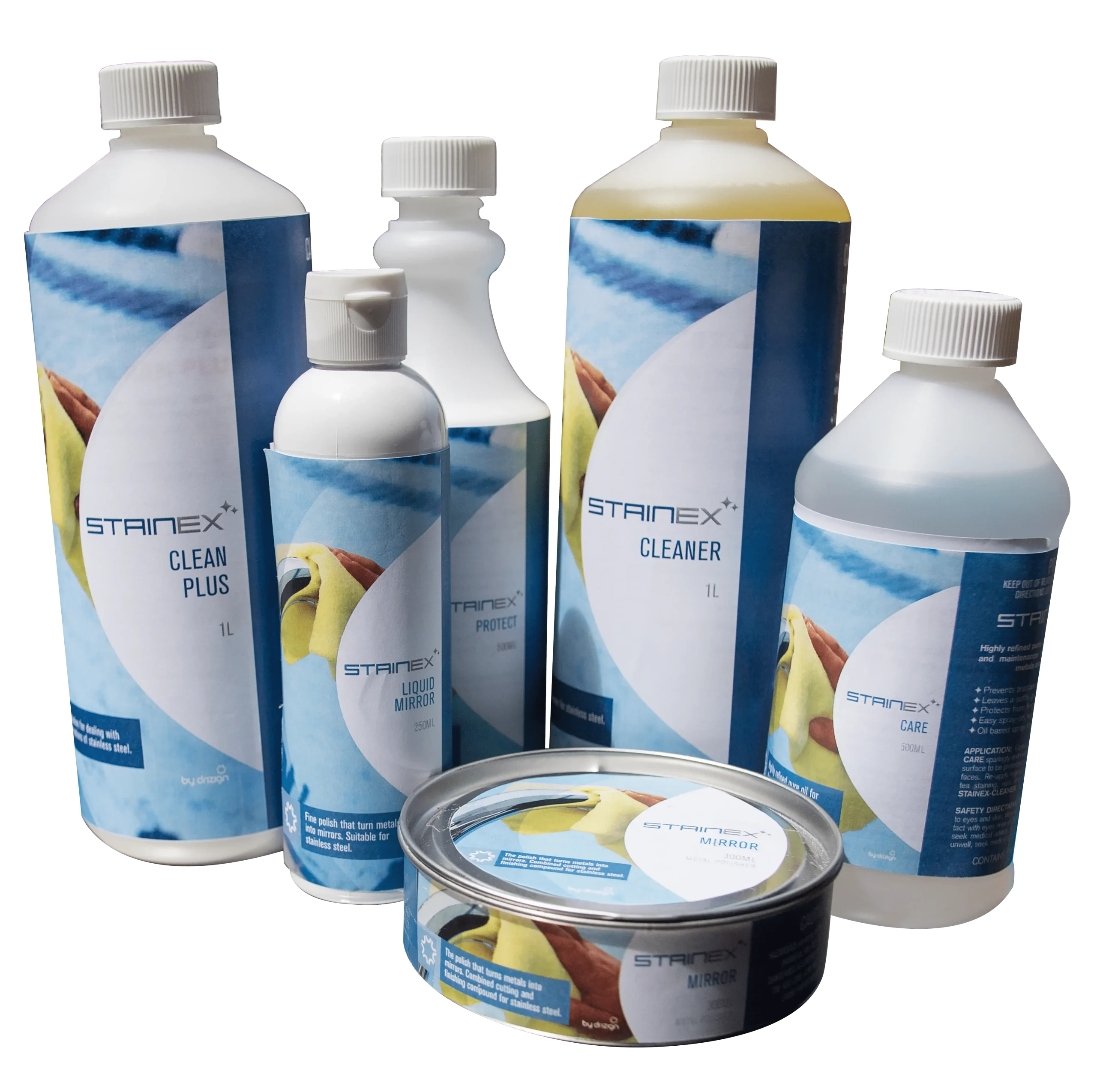
- Specialised Cleaners: There are several commercial stainless steel cleaners designed to remove tea staining without damaging the metal. Look for Stainex Cleaning products, as these typically contain mild acids that help dissolve the stain without being overly harsh. Apply the cleaner according to the manufacturer’s instructions, rinse thoroughly, and buff dry.
- Diluted Vinegar Solution: A diluted vinegar solution (one part vinegar to three parts water) can be effective for mild tea stains. Apply with a soft cloth, rubbing gently until the stain is removed. Rinse the surface with fresh water and dry with a clean towel. Be cautious with acidic solutions, as overuse can damage the oxide layer on stainless steel.
- Baking Soda Paste: For stubborn stains, mix baking soda with a small amount of water to form a paste. Apply the paste to the affected area and gently scrub in the direction of the steel grain. Baking soda is non-abrasive and will help lift the stain without scratching the surface.
- Professional Restoration: In cases of severe tea staining or when dealing with valuable architectural pieces, consider hiring a professional who specialises in stainless steel restoration. They have the tools and experience to safely remove stains without compromising the finish of the stainless steel.
Maintaining Stainless Steel for the Long Term
After treating tea staining, ongoing maintenance is essential for preserving the stainless steel’s appearance. Here are some simple maintenance tips:
- Routine Rinsing: If the stainless steel is installed outdoors, regularly rinsing it with fresh water will help wash away salt and pollutants that can lead to tea staining.
- Drying After Cleaning: After cleaning, always dry stainless steel surfaces with a soft cloth. Water spots can sometimes lead to stains if left to air dry.
- Reapply Protective Coatings: If you’ve applied a protective coating, check the manufacturer’s instructions on how often to reapply. Regular application of these coatings can extend the life of your stainless steel.
Conclusion
Tea staining on stainless steel is a common issue, particularly in Australia’s coastal regions. While the sight of those unsightly brown stains can be frustrating, it’s essential to remember that tea staining doesn’t affect the integrity or performance of stainless steel. By understanding the causes of tea staining and implementing preventive measures, such as choosing the right grade, maintaining a smooth finish, and keeping up with regular cleaning, you can keep your stainless steel surfaces looking brilliant.
In cases where tea staining has already appeared, there are effective cleaning methods to restore the appearance of stainless steel. Whether you prefer DIY cleaning solutions or professional restoration, there’s a solution available to keep your stainless steel looking as good as new.
Share:

Social Media
Most Popular
How to Clean Stainless Steel


Everything You Need to Know About Crevice Corrosion in Stainless Steel
Subscribe To Our Weekly Newsletter
Related Posts